What’s In This Guide
Wood siding and trim can look ready for a fresh coat while hiding the conditions most likely to cause early paint failure. Dirt, loose coatings, moisture, weathered fibers, open joints, and damaged wood all affect how well a new finish bonds and protects the surface.
For Avon homeowners, exterior wood siding painting preparation should come before color selection or the final coat. A careful inspection helps determine what needs cleaning, repair, scraping, sanding, or priming so the coating system starts on a sound surface.
Quick Facts
- Exterior wood paint performs best when the underlying wood is clean, dry, stable, and properly prepared.
- Peeling or cracked paint often points to a surface or moisture problem that should be addressed before repainting.
- Preparation should match the condition of the wood instead of relying on aggressive paint removal everywhere.
- Bare or repaired areas may need appropriate primer before the finish coats are applied.
- Pre-1978 homes require extra care because disturbing old painted surfaces can create lead-contaminated dust.
Why Exterior Wood Preparation Matters
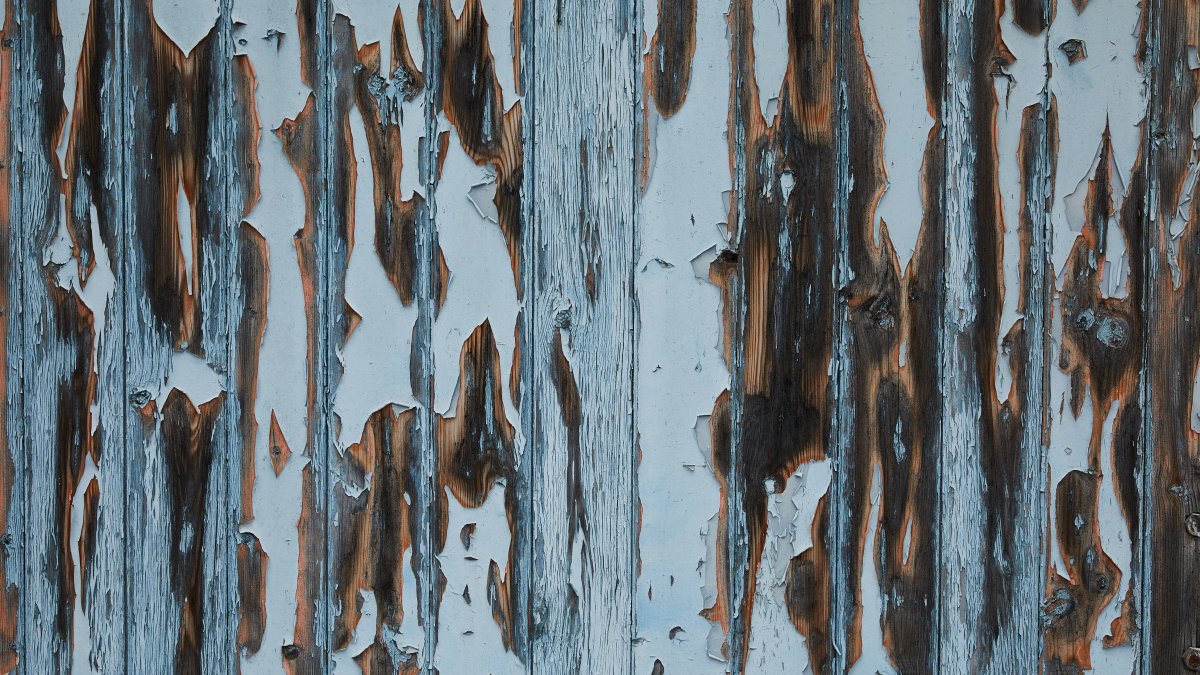
Exterior wood expands, contracts, and weathers with seasonal changes. Paint cannot fix rot, moisture issues, or failing underlying coats. Knowing whether you can paint over old paint helps determine if existing coatings can stay or need removal. Painting over damaged surfaces offers only temporary cosmetic improvements rather than a lasting finish.
The National Park Service’s guidance on historic exterior woodwork notes that repainting preparation can include cleaning, light scraping, and hand sanding when existing coatings remain generally sound. It also explains that some paint failures are tied to moisture or earlier preparation and application problems. The practical lesson is simple: diagnose the surface before deciding how much prep it needs.
How to Prepare Exterior Wood for Painting
1. Inspect the Wood and Existing Coating
Check siding, fascia, trim, porch details, and other painted wood for peeling, cracking, soft spots, mildew, open joints, or bare wood. Inspect garage doors for peeling paint, rust, or damage to determine whether to repaint or replace a garage door in Avon, CT. Separate minor cosmetic wear from issues needing repair or replacement.
2. Address Moisture and Damaged Wood
Do not seal active moisture problems beneath new paint. Check likely trouble spots around joints, trim intersections, gutters, roof edges, and areas where water repeatedly reaches the wood. Repair deteriorated material as appropriate and allow damp surfaces to dry before coating.
3. Clean the Surface
Outdoor paint for wood requires a clean surface. Remove dirt, dust, and contaminants using a suitable method. Similar to cleaning walls before painting, exterior wood may need specific cleaning and extra drying time before applying primer or paint.
4. Remove Loose Paint and Smooth Problem Areas
Scrape away paint that is already loose or failing. Sand rough edges and glossy or uneven areas as needed to create a more stable transition for the new coating. Preparation does not automatically mean stripping every board to bare wood. Treatment should be based on the type and extent of coating failure.
5. Prime Bare and Repaired Areas as Needed
Bare wood, repaired areas, and exposed substrates may require primer compatible with the wood, existing coating, and selected finish paint. Primer can help create a more uniform surface and support adhesion, but product directions should determine the correct application and drying conditions. Understanding why preparation matters for exterior wood paint in Avon, CT, also reinforces the importance of matching primers and coatings to the surface condition rather than relying on paint alone to correct underlying problems.
6. Apply Exterior Wood Paint Under Suitable Conditions
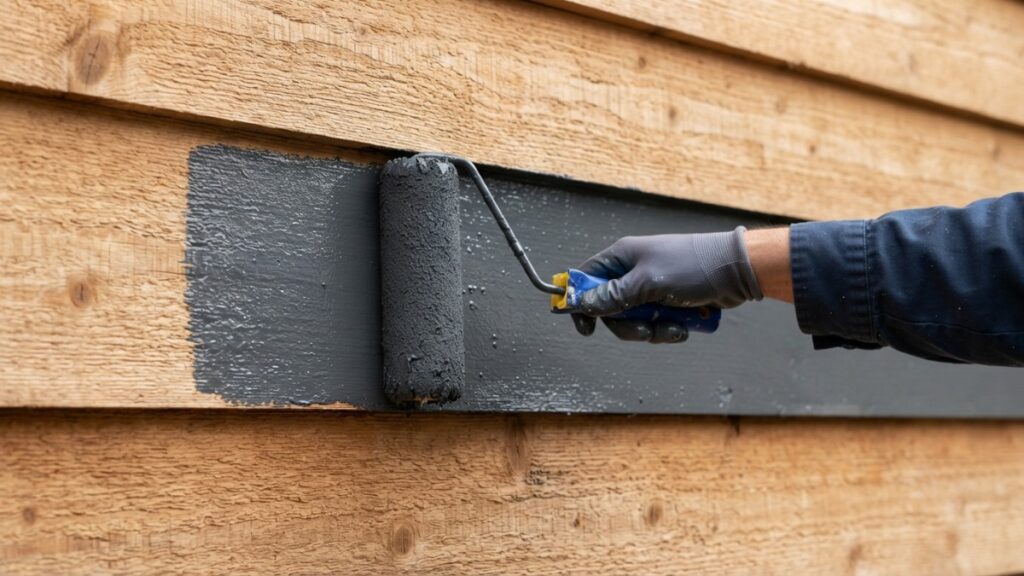
Once preparation is complete, apply the chosen exterior wood paint according to the manufacturer’s instructions for temperature, moisture, recoat time, and application method. Rushing from washing or repair work directly into painting can undermine otherwise careful preparation.
A Lead-Safety Note for Older Avon Homes
If a home was built before 1978, preparation deserves an additional safety check. The U.S. Environmental Protection Agency states that renovation, repair, or painting activities that disturb lead-based paint can create hazardous dust. In general, EPA’s Renovation, Repair and Painting Rule requires firms paid to perform work that disturbs paint in pre-1978 housing and child-occupied facilities to be certified and follow lead-safe work practices.
Homeowners should identify the age and condition of painted surfaces before scraping or sanding. When lead-based paint may be present, follow current EPA guidance and use appropriately qualified professionals where required.
Frequently Asked Questions
Can exterior wood be painted after rain?
Potentially, but the wood needs enough time to dry before priming or painting. Drying time depends on weather, sun exposure, airflow, wood condition, and the coating system. Follow the paint manufacturer’s moisture and application requirements rather than painting on a still-damp surface.
What happens if exterior wood is painted while it is still damp?
Trapped moisture can interfere with adhesion and contribute to blistering, peeling, or other coating failures. Moisture problems should be corrected and the surface allowed to dry adequately before repainting.
Should gaps and open joints be repaired before exterior wood is painted?
Yes. Open joints and failed sealant can allow water into vulnerable areas and should be evaluated before coating. Use repair and sealant products appropriate for the location, materials, and expected movement.
Can weathered bare wood be painted without additional preparation?
Not always. Weathered wood may have loose or degraded surface fibers that can interfere with adhesion. The surface should be inspected, cleaned, and prepared as needed before primer or paint is applied.
How soon can exterior wood be repainted after repairs?
That depends on the repair material, primer, coating system, temperature, and moisture conditions. Fillers, sealants, replacement wood, and other repaired areas should reach the condition specified by their manufacturers before primer or finish paint is applied.
Plan the Prep Before the Paint
A durable repaint requires thorough surface preparation. Cleaning, repairing, selective scraping, sanding, and proper priming ensure optimal adhesion and long-lasting results. Learning how to prepare for a house painting estimate in Avon, CT, helps you identify problem areas and set clear project expectations with your contractor.
If your home has weathered siding, peeling trim, or exterior wood that needs a closer assessment, contact Avon Professional House Painter to request a free estimate and discuss your painting project.
Related Posts