
What’s in This Guide
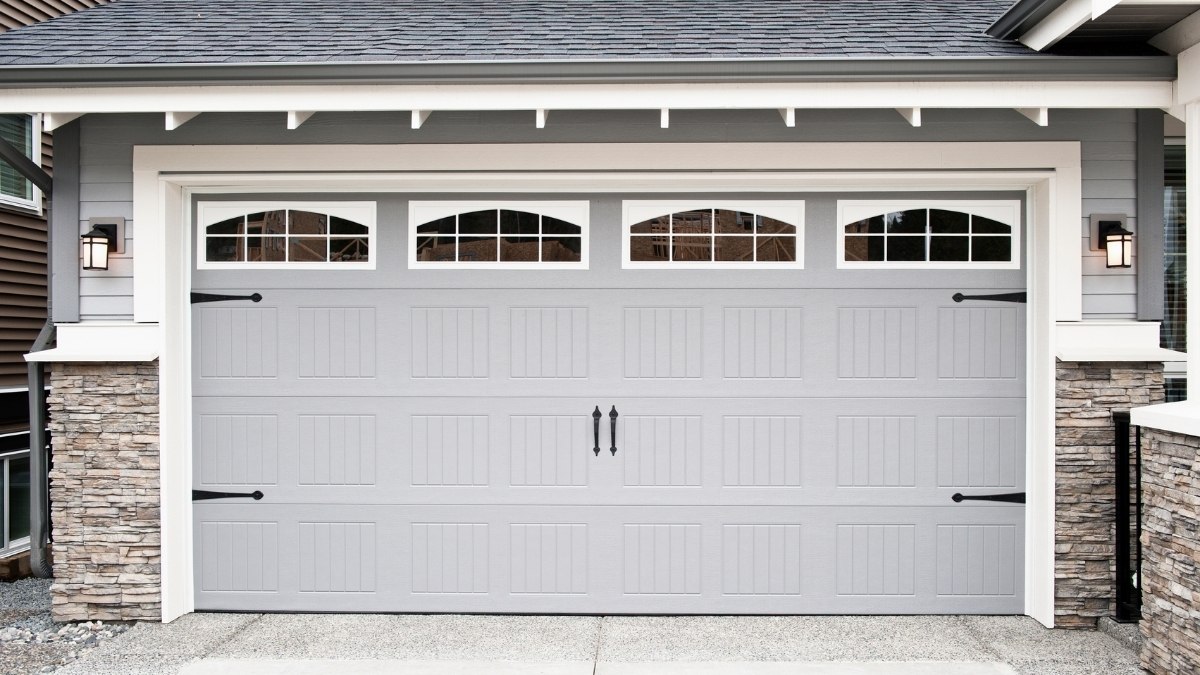
A garage door can dominate the front elevation, so worn paint can make an otherwise maintained home look tired.
Homeowners searching for garage door painters nearby often do not need a new door simply because the finish has faded, peeled, or developed small rust spots. If the panels and operating system remain sound, repainting can restore a cleaner, coordinated appearance without replacing the door.
The key question is not whether the old finish looks bad. It is whether the door itself is still a suitable surface for a new coating.
Quick Facts
- A structurally sound garage door with faded, chalky, or peeling paint is often a good repainting candidate.
- Proper cleaning, sanding, rust treatment, and spot priming matter more than simply adding another coat.
- The coating should match the door material and the manufacturer’s requirements, especially for metal, wood, or factory-finished surfaces.
- Severe corrosion, delamination, warping, broken panels, or mechanical problems may make replacement more practical.
- Older painted surfaces require extra caution. EPA lead-safe rules can apply when paid contractors disturb paint on pre-1978 homes.
When Is Repainting Better Than Replacing a Garage Door?
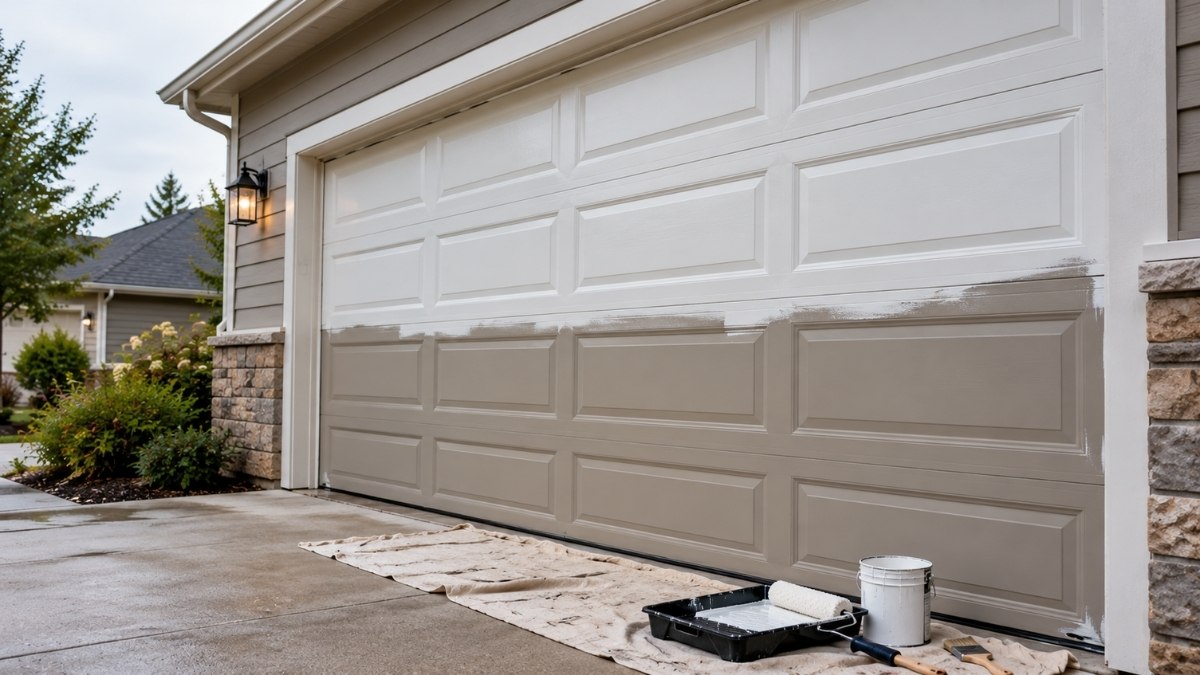
Repainting makes sense when the damage is mostly cosmetic, such as sun-faded color, chalking, isolated peeling, light surface rust on steel, minor staining, or an outdated color.
Replacement deserves stronger consideration when panels are deeply dented, warped, rotted, badly corroded, separating, or no longer operating safely.
Paint cannot correct structural damage, worn hardware, failed springs, or a door that binds in its tracks. A garage door painter should focus on the finish, not conceal conditions that need repair first.
How to Prepare an Exterior Garage Door for Painting
A durable result starts with surface preparation. The process varies by substrate and coating condition, but a professional garage door painting service generally follows these steps.
1. Inspect the Door and Existing Coating
Check for peeling edges, rust, bare metal, rot, cracked coatings, failing caulk, dents, and signs that moisture is getting behind the finish. Confirm that repainting will not interfere with manufacturer requirements or moving components.
2. Clean the Surface Thoroughly
Remove dirt, road film, pollen, mildew residue, grease, and chalky paint. New coatings bond poorly to contaminated surfaces. The door should be rinsed as appropriate and allowed to dry fully before sanding or priming.
3. Sand Loose or Glossy Areas
Light sanding can help smooth uneven areas and improve how well the new coating adheres. Any loose or deteriorated paint should be addressed before repainting so the surface is better prepared for a fresh finish.
4. Treat Rust and Exposed Substrate
On steel doors, remove loose rust without damaging intact material, then use a compatible corrosion-control primer where needed. Bare wood also needs the correct primer. Do not assume one primer works for every garage door material.
5. Apply a Compatible Exterior Coating
Choose a coating designed for the door substrate and exterior exposure. Follow the product label for primer compatibility, application temperature, dry time, and recoating. Avoid painting weather seals, tracks, rollers, hinges, locks, or other components in ways that could affect operation.
Why Finish Choice Matters
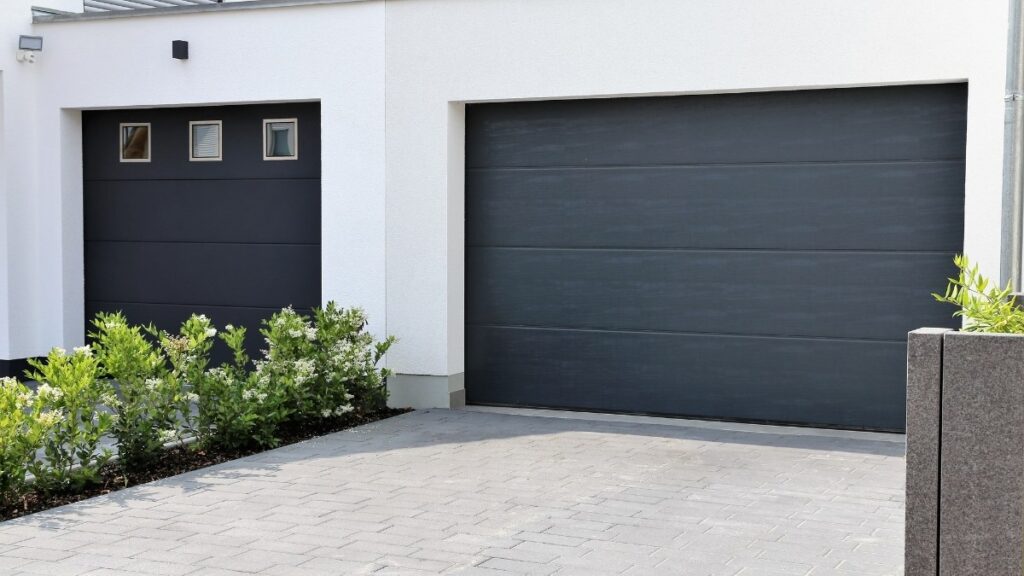
Garage doors expand, contract, collect moisture, and receive direct sun. A coating that performs well on interior drywall is not automatically appropriate for an exterior metal or wood door. Coating selection should start with the substrate, existing finish, exposure, and manufacturer instructions.
Color also affects curb appeal. Matching the trim can unify the exterior, while coordinating with siding, shutters, or masonry can reduce the garage door’s visual dominance. For many Avon homes, repainting is a practical way to update the front elevation without changing the door itself.
A Note About Lead-Safe Preparation on Older Homes
If a garage door or adjacent painted components are part of a pre-1978 home, sanding and scraping require added caution. The U.S. Environmental Protection Agency says its Renovation, Repair and Painting Rule generally applies to paid work that disturbs painted surfaces in pre-1978 housing.
The minor-repair exception covers no more than 20 square feet of exterior painted surface, provided prohibited practices, demolition, or window replacement are not involved. Homeowners should discuss lead-safe procedures before surface preparation begins.
Frequently Asked Questions
Can a garage door be painted without removing the old paint?
Usually, yes, if the existing coating is firmly bonded. Loose, peeling, rusty, or glossy areas still need cleaning, sanding, and appropriate priming. Painting directly over unstable material usually shortens the life of the new finish.
How do I know whether I need primer?
Primer is often needed on bare metal, rust-treated spots, exposed wood, heavily repaired areas, or surfaces where the new coating requires a bonding layer. The correct primer depends on the substrate and finish system.
Is garage door painting near me mainly cosmetic?
It improves appearance, but proper coating also helps shield the substrate from weathering. It should not be treated as a substitute for mechanical repair or replacement when the door is structurally compromised.
When should I call a garage door painter instead of replacing the door?
If the door opens and closes properly, the panels are sound, and the main problem is the finish, request a painting assessment first. If the door has major corrosion, rot, deformation, or operating problems, have those conditions evaluated before deciding on paint.
Discuss Your Garage Door Painting Project in Avon, CT
If your garage door is structurally sound but the exterior finish is faded, peeling, or dated, Avon Professional House Painter can assess the surface and explain the preparation and coating options for repainting.
Request a free estimate to discuss your painting project.
Related Posts