What’s In This Guide
Clean walls are not automatically paint-ready walls. After the walls are washed, professional painters inspect the surface for problems the cleaning process may reveal, including loose or failing paint, stains, moisture, and damaged drywall.
For homeowners in Avon, CT, the goal is not simply to make walls look clean. The goal is to create a sound, dry, uniform surface that allows the new coating to bond properly.
Quick Facts
- Cleaning removes dust, grease, and residue that can interfere with paint adhesion.
- Walls must dry completely before sanding, priming, or painting.
- Professionals inspect for hidden stains, moisture, damaged drywall, and loose paint after washing.
- Older homes may require lead-safe precautions before disturbing painted surfaces.
- A final surface inspection helps determine whether the wall still needs spot cleaning, repairs, sanding, or priming.
How to Clean Walls Before Painting
1. Remove Loose Dust and Debris
Use a vacuum with a brush attachment or a clean microfiber cloth. Pay close attention to corners, baseboards, window trim, vents, and the tops of door frames.
2. Wash the Walls from Bottom to Top
Use warm water and a small amount of mild detergent. Working from the bottom helps reduce dirty streaks that can be difficult to remove once they dry. In kitchens, focus on areas near the stove, cabinets, and frequently touched surfaces where grease can accumulate.
3. Rinse Away Cleaner Residue
Wipe the wall again with a clean sponge or cloth dampened with plain water. Soap left on the surface can act as a bond breaker between the wall and the new paint.
4. Allow the Walls to Dry
Do not rush into patching or painting. Drying time depends on ventilation, humidity, wall material, and how much water was used. The wall should feel dry and show no dark, damp areas.
What Professional Painters Check After Cleaning
Remaining Grease, Dust, or Film
Professionals often inspect walls under strong side lighting. This makes oily patches, dust, fingerprints, and cleaner film easier to see. A wall may look clean from across the room but still feel slick or chalky when touched.
Moisture and Water-Related Damage
Cleaning can make bubbling paint, soft drywall, stains, or recurring moisture marks more visible. Paint should not be applied until the moisture problem is resolved and the surface is completely dry. The CDC advises addressing moisture problems promptly because damp materials can support mold growth.
Loose, Peeling, or Unstable Paint
Washing may expose edges where the existing paint has already begun to lose adhesion. Painters check for flaking, blistering, cracking, or paint that lifts when lightly scraped. These areas usually require controlled removal, feather-sanding, and priming before repainting.
Dents, Nail Holes, and Drywall Defects
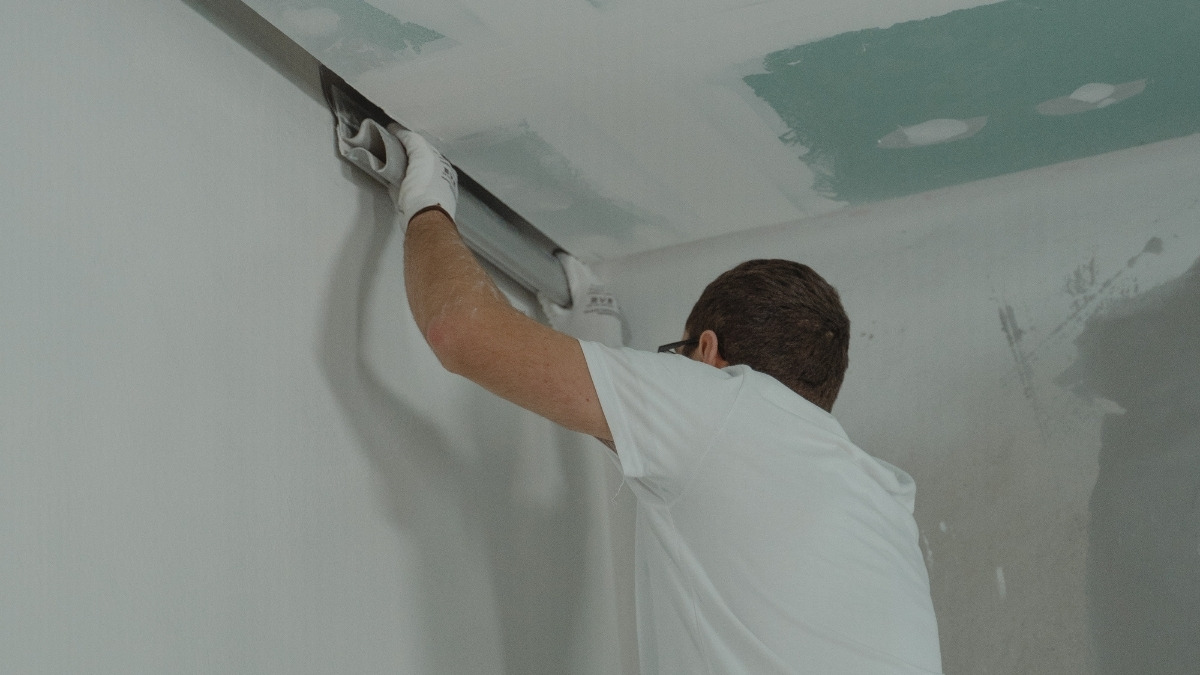
Once dirt no longer obscures the surface, damage becomes easier to identify. Professionals mark dents, popped fasteners, torn drywall paper, open seams, and poorly blended repairs. These defects should be patched and sanded before primer or finish paint is applied.
Stains That May Bleed Through
Water stains, smoke residue, ink, tannins, and other discoloration can bleed through ordinary wall paint. A painter determines whether the affected area needs additional cleaning, sealing, or a stain-blocking primer.
Gloss and Texture Differences
Even a clean wall may be too glossy for reliable adhesion. Previously painted satin, semigloss, or glossy surfaces may need light sanding or another manufacturer-approved preparation method. Painters also look for uneven texture because patched areas can absorb paint differently from the surrounding wall.
Lead-Paint Risk in Older Homes
Before sanding, scraping, or disturbing old coatings, the age of the home matters. The U.S. Environmental Protection Agency states that homes built before 1978 may contain lead-based paint. Renovation work that disturbs painted surfaces in these homes may require lead-safe practices. Homeowners should avoid aggressive sanding until the surface has been properly evaluated.
READ MORE: House Painters in Avon, CT: What to Prepare Before Your Painting Estimate
Why Inspection After Cleaning Improves the Finish
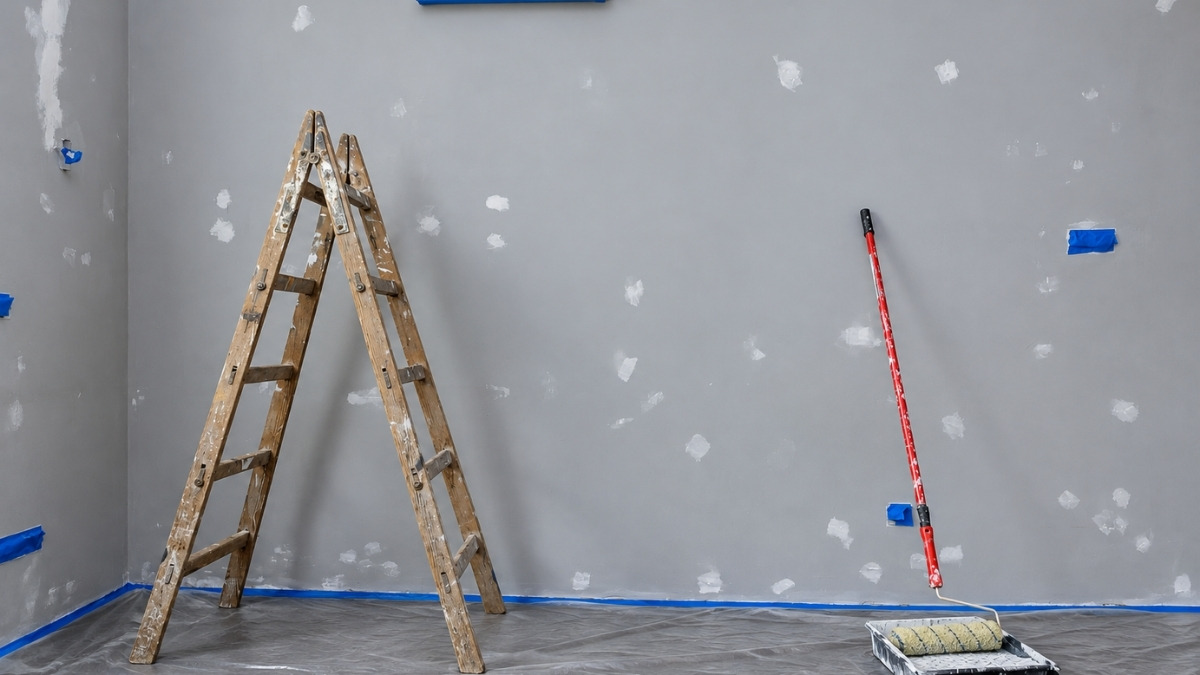
Cleaning walls before painting does more than remove grime. It creates a reliable inspection point. Once the wall is dry and free of surface dirt, a painter can separate cosmetic marks from true coating or substrate problems.
This helps prevent peeling, visible patch lines, stain bleed-through, rough texture, and inconsistent sheen. A sound, clean, low-sheen wall may need only minor spot preparation, while a glossy, damaged, or moisture-affected wall may require sanding, repair, and primer.
Frequently Asked Questions
Do all interior walls need washing before painting?
Most walls benefit from dust removal, but the amount of washing depends on the room and surface condition. Kitchens, bathrooms, children’s rooms, and high-touch areas usually need more thorough cleaning than lightly used bedrooms.
Can I use dish soap to wash walls before painting?
A small amount of mild dish soap can work for general cleaning. Avoid using too much, and rinse with clean water so no slippery residue remains.
How long should walls dry after washing?
There is no single drying time for every room. Wait until the surface is fully dry, with no cool, dark, or damp patches. Ventilation and indoor humidity affect drying.
Should walls be sanded after cleaning?
Sanding may be needed if the existing finish is glossy, rough, peeling, or patched. Cleaning should come first so sanding does not grind grease or dirt into the surface.
When should a professional inspect the walls?
Consider a professional inspection when walls have peeling paint, recurring stains, suspected moisture, extensive repairs, or coatings that may contain lead.
Schedule a Painting Consultation in Avon, CT
Proper wall preparation helps create a smoother, more durable interior paint finish. Avon Professional House Painter can assess cleaned walls, identify any remaining preparation needs, and recommend the appropriate repairs, sanding, priming, and finish coats.
Request a free estimate to discuss your interior painting project in Avon, CT.