What’s In This Guide
Painting a room or home exterior can be a rewarding project, but the urge to apply a fresh coat immediately often raises a common question: Is it safe to paint over the existing finish, or does the surface need preparation first?
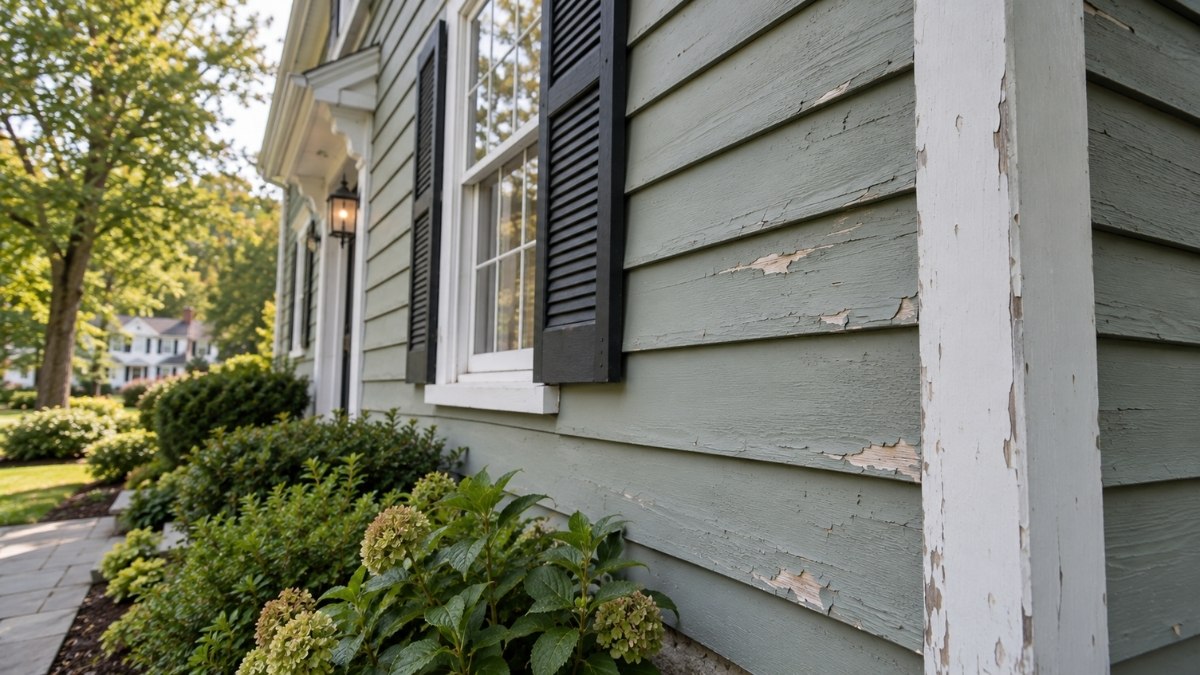
While you can often paint over old paint, the longevity and quality of the new finish depend largely on the condition of the surface beneath it. Before opening a paint can, determine whether the surface needs only cleaning or more extensive preparation, such as sanding, repairs, or priming, to support a smooth, durable finish.
Quick Facts
- You can paint over old paint when it is clean, dry, dull, and firmly bonded.
- Prime bare surfaces, repaired areas, stained sections, porous spots, and surfaces with uncertain compatibility.
- Sand glossy or uneven areas, but use lead-safe methods when old coatings may contain lead.
- Repair leaks, rot, loose material, and widespread peeling before repainting.
- Address all moisture sources and ensure the surface is completely dry before applying any paint.
Can I Paint Over Old Paint?
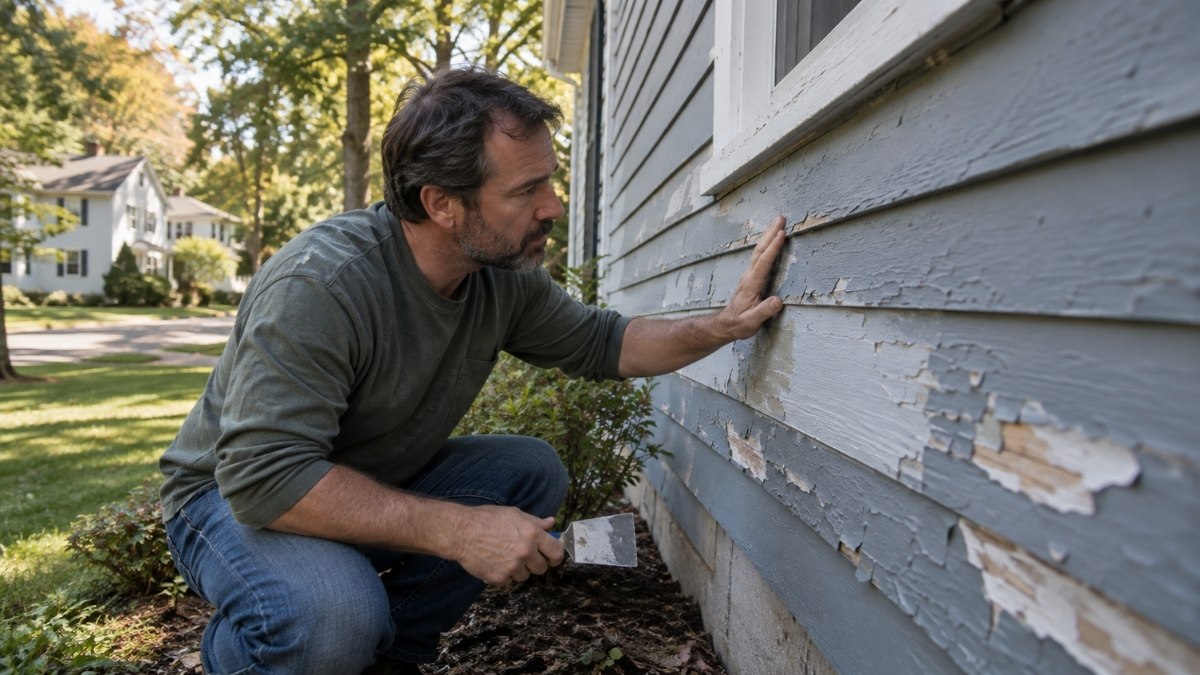
Yes, in many cases. Whether new paint will adhere successfully depends more on the condition of the existing coating than on its age. New paint can bond well when the old coating is firmly attached and the surface is clean, dry, and free of gloss. The National Park Service explains that sound existing paint can receive a new coat as effectively as bare wood when it is firmly bonded, cleaned of dirt and chalk, and dulled before repainting.
More preparation is necessary when the existing coating is glossy, dirty, chalky, peeling, stained, damp, or applied over damaged material. A new coat may temporarily improve the appearance, but it will not correct the underlying cause of the failure.
When Repainting Over Old Paint Is Usually Simple
A straightforward repaint is often possible when an interior wall has intact paint, no moisture damage, and only minor nail holes or scuffs. Clean the wall, fill and smooth the damaged areas, spot-prime the repairs, and then apply the finish coats.
A full primer coat may be unnecessary when the existing and new coatings are compatible, the surface has a consistent sheen, and the color change is moderate. Always follow the new paint manufacturer’s instructions for surface preparation, primer selection, drying times, and application.
What Prep Does the Surface Need?
Cleaning
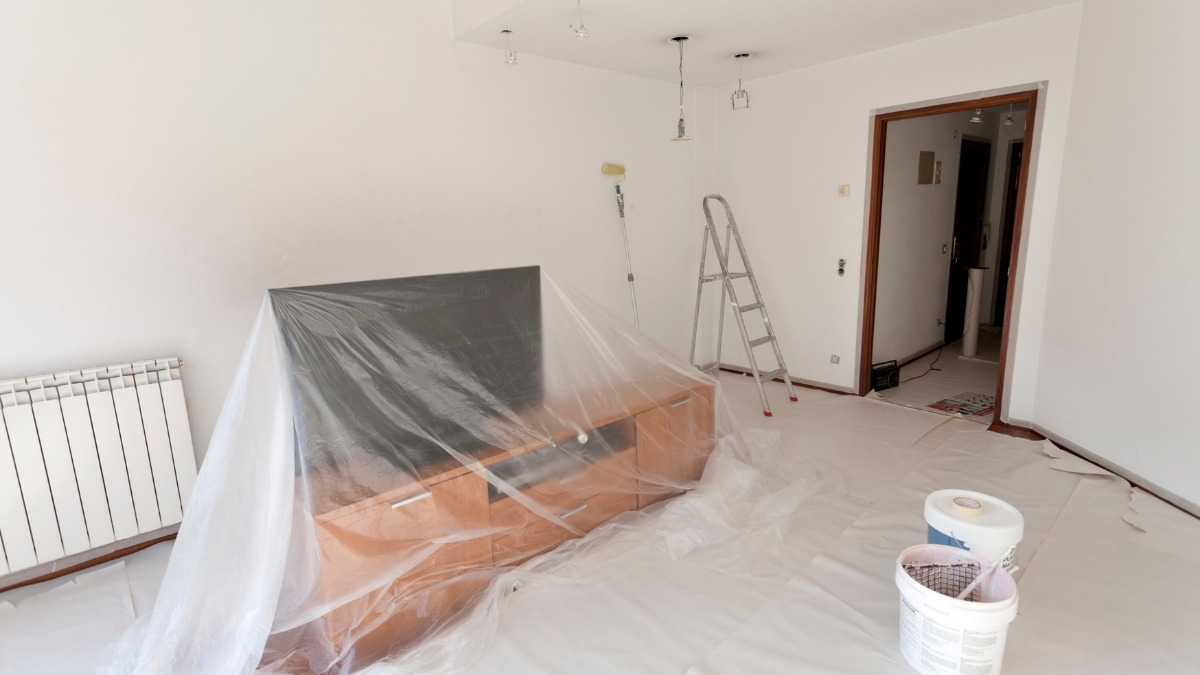
Clean all surfaces before painting to remove dust, residue, soap film, or chalk. Use a suitable cleaner, rinse if necessary, and ensure the surface dries completely. Never paint over visible mold. Address the moisture source, clean the area, and let it dry thoroughly. For mold covering more than about 10 square feet, consult the EPA’s detailed remediation guidance or consider professional assistance.
Sanding
Light sanding can degloss a shiny finish, feather chipped edges, and smooth filler, drywall compound, brush marks, or old drips. Remove all sanding dust before priming or painting.
Lead safety matters in older homes. The U.S. Environmental Protection Agency estimates that 87% of homes built before 1940, 69% of homes built from 1940 through 1959, and 24% of homes built from 1960 through 1977 contain some lead-based paint.
The Connecticut Department of Public Health also advises against dry scraping or sanding painted surfaces in pre-1978 homes and recommends lead-safe containment and cleanup. Consider consulting a certified lead professional before disturbing an unknown coating.
Priming
Prime bare surfaces, porous patches, stains, major color changes, and finishes with uncertain compatibility.
A bonding primer may be necessary on clean, glossy surfaces. Spot-prime repairs, and apply a full primer coat if porosity, sheen, or adhesion is inconsistent.
Repair
Prioritize repairs when paint bubbles, peels, cracks, or develops recurring stains. Before repainting, address underlying issues such as leaks, rot, rust, or damaged material. Painting over an unstable surface is likely to cause the new finish to fail.
How to Prepare Old Paint Before Repainting
- Inspect the surface for peeling, gloss, chalk, stains, mold, cracks, soft material, and moisture.
- Check the building’s age. Treat paint in homes built before 1978 as a potential lead hazard until it has been properly evaluated.
- Correct the cause of the failure by repairing leaks, replacing failed caulk, treating rust, restoring damaged drywall, or replacing deteriorated wood.
- Clean the surface and let it dry completely.
- Remove loose or failing paint without damaging the sound coating beneath it. Feather raised edges, degloss glossy areas, and use appropriate dust-control measures throughout the work.
- Prime bare areas, repairs, stains, porous spots, and questionable transitions before applying finish coats.
When Professional Prep Makes Sense
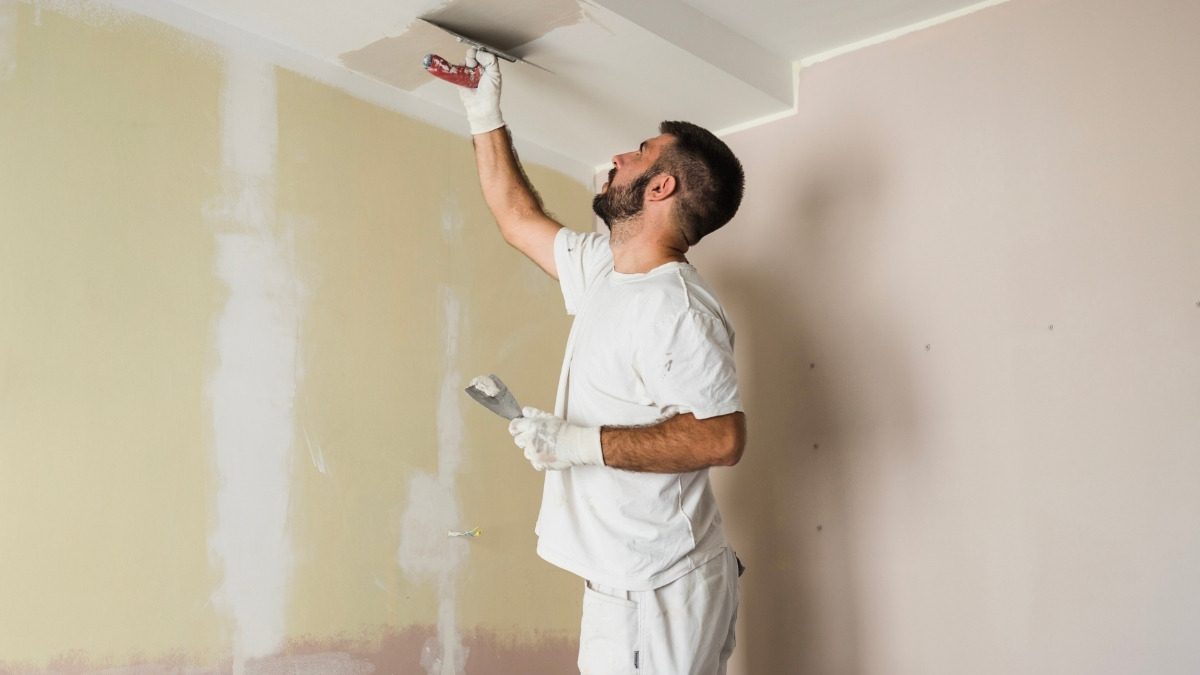
Professional assessment and preparation may be appropriate when peeling is widespread, moisture repeatedly returns, exterior areas are high or difficult to access, wood is damaged, coating compatibility is uncertain, or paint in a pre-1978 home must be disturbed. An assessment can determine whether the project requires a straightforward repaint, additional repairs, or lead-safe preparation.
Frequently Asked Questions
Can I paint over old paint without sanding?
Sometimes. Cleaning may be enough when the old paint is sound, low-sheen, and compatible with the new coating. Glossy, patched, rough, or uneven areas usually need sanding or another manufacturer-approved deglossing method.
Do I need primer when painting over the same color?
Color alone does not determine whether primer is necessary. You may skip full priming when the surface is sound, uniform, and compatible with the new coating. Prime bare spots, repairs, stains, porous areas, and surfaces with uncertain adhesion.
What happens if I paint over peeling paint?
The new coating may bond to the failing paint rather than the stable surface beneath it, allowing both coatings to peel away together. Remove loose paint safely, identify and correct the cause, make the necessary repairs, and prime exposed material before repainting.
Can you paint over old exterior paint?
Yes, when the existing paint remains firmly bonded and the siding or trim is dry and sound. Clean the surface, remove loose paint, feather the remaining edges, repair failed joints or decayed material, and prime exposed areas before repainting.
How do I know if the old paint is compatible with the new paint?
Identify the existing coating and follow the new paint manufacturer’s preparation and compatibility instructions. Many acrylic latex paints can be applied over properly prepared latex or oil-based coatings, although glossy or uncertain surfaces may require a compatible bonding primer.
Make the Decision Before Opening the Paint
The simple rule for success is to apply new paint only over sound, stable coatings and repair or prepare any problem areas first. If you are ready for a professional surface assessment and a tailored project plan, contact Avon Professional House Painter today to request a free estimate.