- Free Estimates
✔ Proper surface preparation is essential for long-lasting paint adhesion and durability. ✔ Using the correct paint type and finish helps ensure durability in different rooms and weather conditions. ✔ Primer improves coverage, adhesion, and color consistency, especially on new or repaired surfaces. ✔ Applying multiple thin coats produces smoother finishes and prevents drips or uneven drying. ✔ Complex painting projects often benefit from professional expertise and specialized equipment. |
Painting is one of the most common home improvement projects in the United States, yet it is often done incorrectly. What seems like a simple weekend job can quickly result in peeling paint, uneven coverage, or finishes that fail far sooner than expected.
The issue is rarely the act of painting itself, but the mistakes made before and during the process. Skipping preparation, using the wrong products, or rushing through coats can significantly impact both durability and appearance.
Recognizing these common mistakes helps prevent costly corrections and leads to a smoother, longer-lasting finish. These are the ten most frequent painting errors homeowners make and how to avoid them.
Surface preparation is the foundation of a successful paint job. Paint adheres best to clean, smooth surfaces. When walls or siding are dusty, greasy, or damaged, the paint cannot bond properly.
Without proper preparation, the most common outcomes include peeling, bubbling, and uneven coverage. Even high-quality paint cannot compensate for a poorly prepared surface.
To avoid this mistake:
Many homeowners select paint based solely on color. However, paint type and finish play a major role in durability, washability, and appearance.
A common mistake is using interior paint outdoors or choosing the wrong finish for a specific room. Each paint formulation is designed to handle different conditions such as moisture, sunlight exposure, or heavy traffic.
Here is a quick guide to common paint finishes:
Primer is often skipped because it seems like an extra step. In reality, primer serves several important functions that improve paint performance.
Primer helps seal porous surfaces, improves paint adhesion, and provides a uniform base for color. Without it, paint may absorb unevenly or fail to fully cover the surface.
Primer is especially important when:
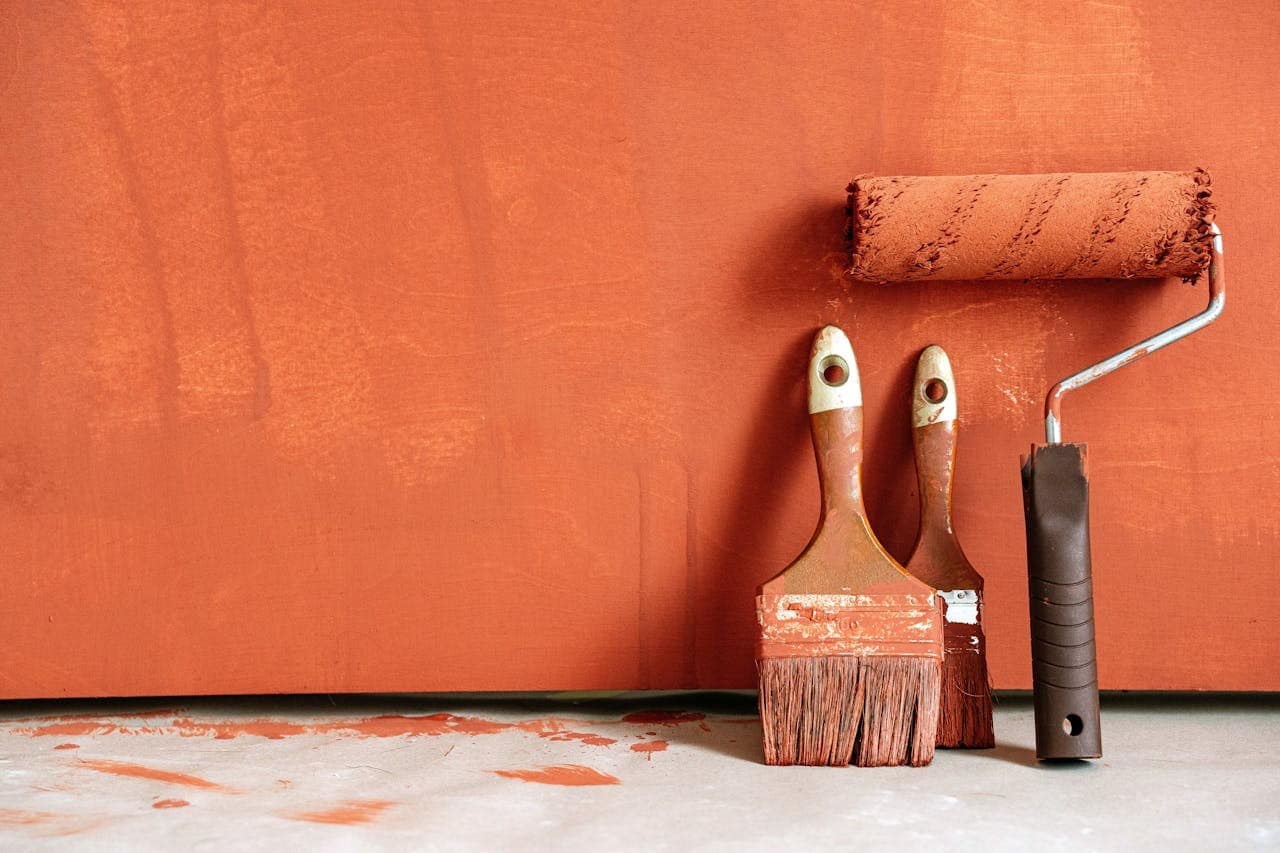
The tools used during a painting project have a direct impact on the final results. Low-quality brushes and rollers can leave streaks, shed bristles, or create uneven textures.
Cheap rollers often produce lint or inconsistent coverage, which becomes visible once the paint dries. Brushes with poor-quality bristles can create visible lines across the surface.
To improve results:
Environmental conditions affect how paint dries and cures. Temperature and humidity both influence the evaporation and chemical processes that allow paint to harden properly.
Most paints perform best when applied between 50°F and 85°F with moderate humidity levels. Painting outside these conditions can cause several problems.
Common issues include:
Many homeowners believe applying thick coats will provide better coverage. In reality, heavy coats often create more problems than benefits.
Thick paint layers dry unevenly and are more likely to produce drips, sagging, or visible brush marks. They may also trap moisture, which can lead to cracking or peeling over time.
A better approach is to apply multiple thin coats. Thin layers dry more evenly and create a smoother, more consistent finish. This method also allows each coat to bond properly with the surface, improving durability and overall appearance.
Rushing through coats is another common mistake. Paint requires sufficient drying time before another layer can be applied.
Applying the next coat too soon can cause smudging, peeling, or uneven sheen. The underlying paint layer may not have had enough time to cure properly. Most latex paints require two to four hours of drying time between coats. However, conditions such as humidity or cooler temperatures can extend that time.
Always follow the manufacturer’s instructions and allow adequate drying time before applying the next layer.
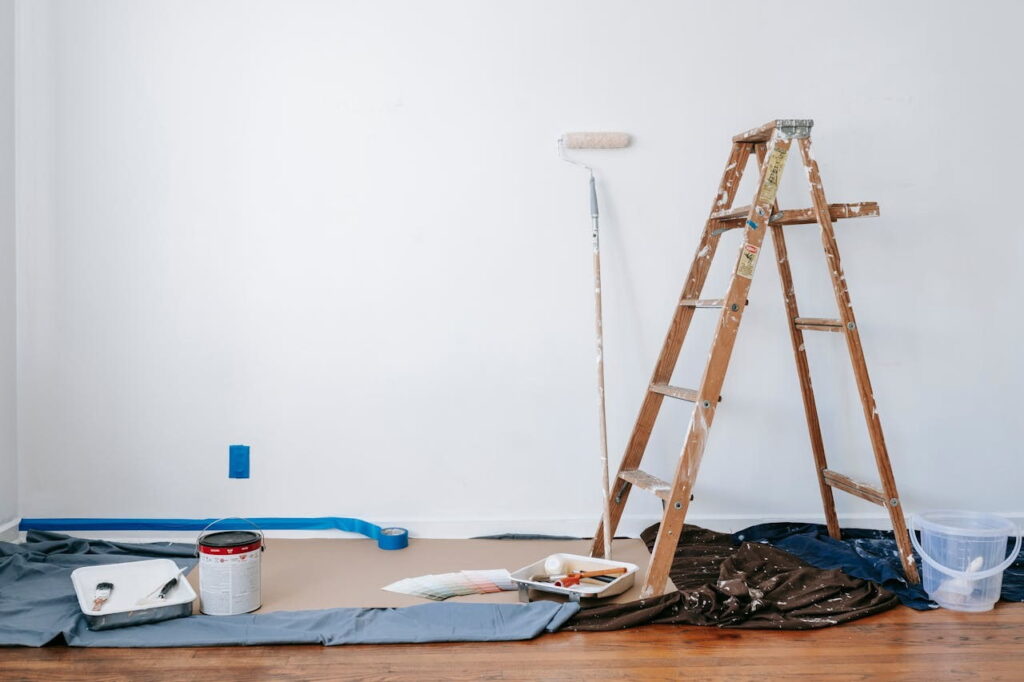
Paint splatters are difficult to remove once they dry. Unfortunately, many homeowners underestimate the importance of protecting surrounding surfaces before beginning a project.
Common oversights include leaving floors uncovered, failing to tape trim, or painting around electrical outlets without removing covers.
To prevent damage and messy cleanup:
Running out of paint mid-project is more than an inconvenience. It can also lead to color inconsistencies if different batches are used.
Most paints cover approximately 350 to 400 square feet per gallon, depending on the surface texture and color change. Rough surfaces or dramatic color shifts may require additional paint.
To estimate properly:
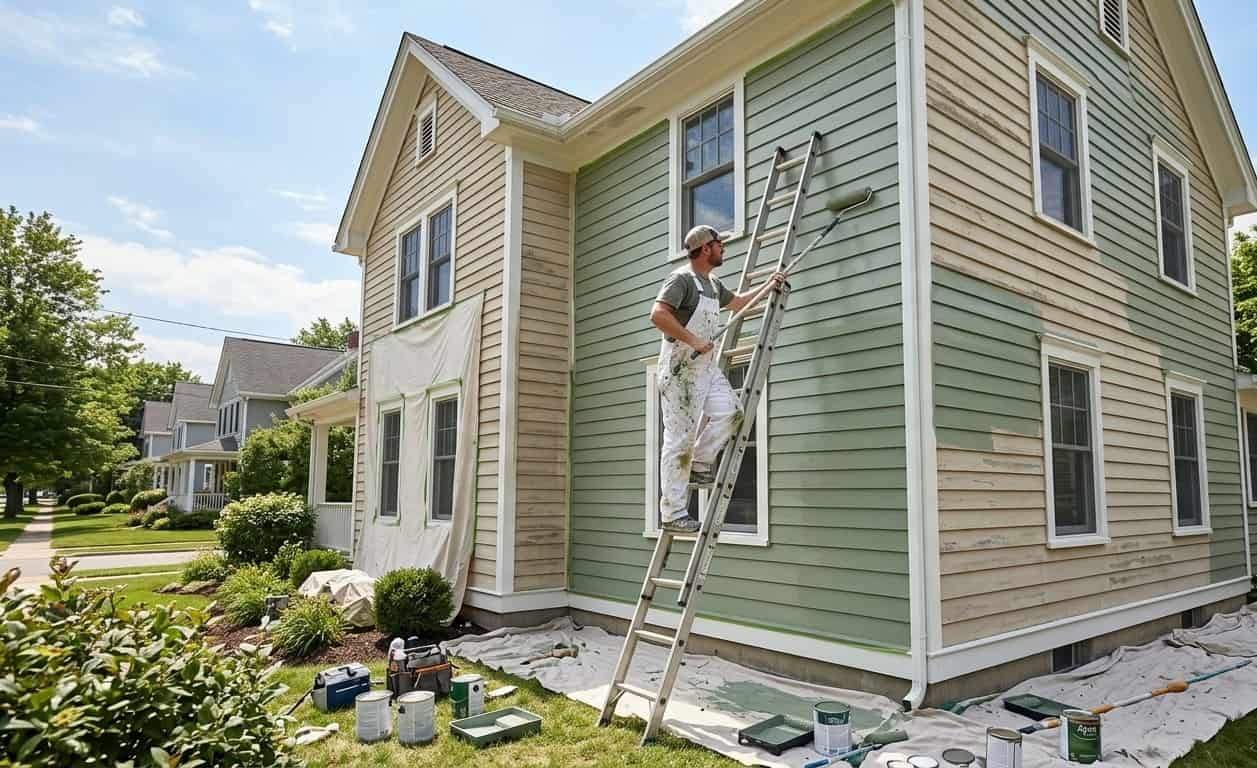
Some painting projects are more challenging than they appear. Exterior homes with multiple stories, vaulted ceilings, or detailed trim require specialized equipment and experience.
Complex projects also introduce safety risks, especially when ladders or scaffolding are involved.
Professional painters are trained to handle these situations efficiently. They understand surface preparation, product selection, and application techniques that produce consistent results.
For homeowners, hiring experienced professionals can often save time, reduce risk, and deliver a higher quality finish.
Homeowners can significantly improve their results by following a structured process.
Clean the walls, repair damage, and sand rough areas before painting.
Select products designed for the specific surface and room conditions.
High-quality brushes and rollers ensure smooth, consistent application.
Thin layers dry evenly and improve durability.
Tape edges and cover floors before opening the paint can.
Large or complicated projects often require professional experience and equipment.
Most interior walls need two coats for consistent color and full coverage. Additional coats may be required when covering dark colors, painting over repairs, or working with textured surfaces.
Primer is not always required, but it is important for new drywall, bare wood, stained surfaces, or major color changes. It improves paint adhesion and helps achieve more even coverage.
Most paints should not be applied below 50°F because cold temperatures slow curing and weaken adhesion, which can lead to peeling or uneven finishes.
Streaks usually result from uneven application, low-quality rollers, or applying a second coat too soon. Using proper tools and allowing enough drying time helps create a smoother finish.
Painting over dirt or grease can lead to peeling, bubbling, and uneven coverage. The paint cannot properly bond to the surface, which reduces the lifespan of the paint job.
Avoiding common painting mistakes directly impacts how well your paint holds up over time. Preparation, material selection, and proper application all play a role in achieving a clean, long-lasting finish.
For homeowners who want reliable results without the guesswork, working with experienced professionals simplifies the process. Avon Professional House Painter delivers durable, high-quality finishes with the right techniques, tools, and attention to detail.