- Free Estimates
Interior paint trends in 2026 are moving away from stark whites and safe grays. Homeowners are choosing colors that feel grounded, natural, and intentional—shades that improve daily living rather than just looking good in photos. The focus is on warmth, depth, and connection to the outdoors, especially in residential spaces.
For homes in Avon, CT, these trends align well with the area’s architecture, seasonal light changes, and preference for timeless design over short-lived fads. Whether you’re refreshing one room or planning a full interior repaint, understanding where color trends are headed can help you make choices that feel current now and still relevant years from today.
Below are the key interior painting trends shaping 2026—and how they work in real homes, not just design magazines.
✔ Earthy neutrals are replacing cool grays for warmer, more timeless interiors. ✔ Botanical greens bring a natural, calming feel to everyday living spaces. ✔ Moody colors add depth when balanced with proper lighting and prep. ✔ Warm whites outperform bright whites in comfort and versatility. ✔ The right paint finish improves durability and long-term appearance. |
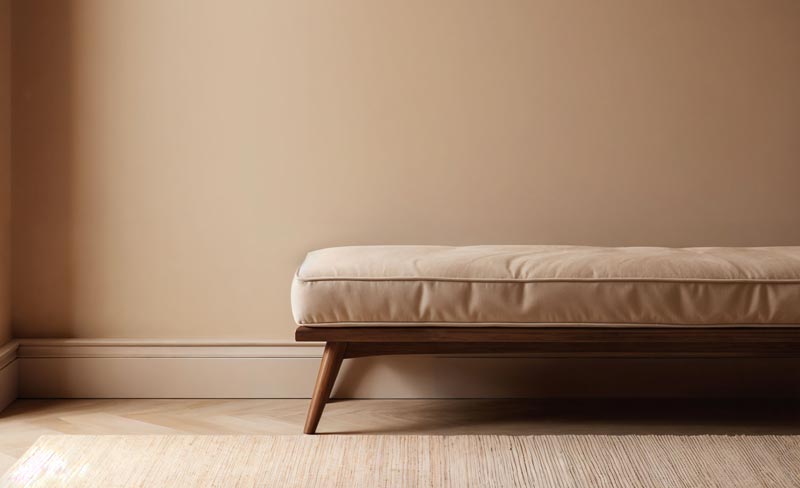
Cool gray interiors dominated for more than a decade, but 2026 marks a clear shift. Earthy neutrals—warm, organic, and understated—are becoming the foundation of modern interior color palettes.
Popular shades include:
These colors reflect natural materials like soil, limestone, and wood, creating spaces that feel calm without being bland.
Many homes in Avon feature traditional layouts, natural wood floors, and strong daylight exposure. Earthy neutrals balance seasonal light changes better than cool tones, feeling warm in winter and soft—not washed out—during brighter months.
They also pair easily with:
For homeowners who want flexibility without committing to bold color, earthy neutrals offer longevity and resale appeal.
Green continues its rise in interior design, but 2026 is about natural, botanical greens, not overly saturated or trendy versions. These shades reflect foliage, moss, herbs, and forest landscapes—colors that feel restorative and lived-in.
Trending botanical greens include:
Botanical greens work well in:
In Avon homes, these greens complement outdoor views, landscaped yards, and classic architectural details. They’re particularly effective when paired with white trim, brass hardware, or wood accents.
Botanical greens also age well. Unlike trend-driven colors, they don’t feel dated after a year or two, making them a practical choice for homeowners planning to stay put.

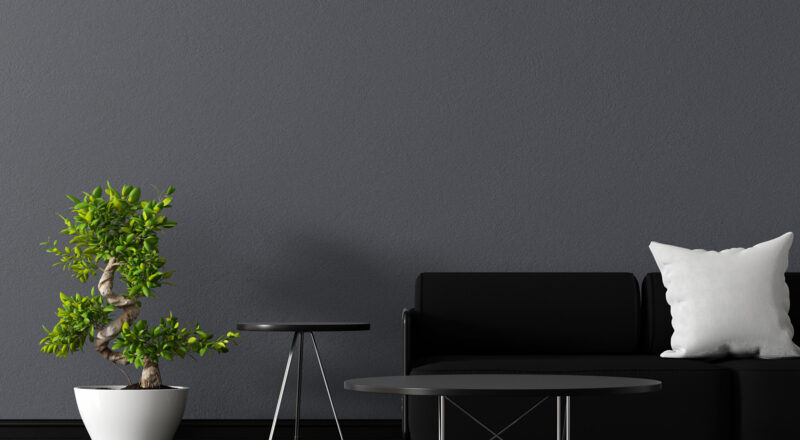
Moody interiors are no longer limited to accent walls or powder rooms. In 2026, deeper tones are being used intentionally to create warmth, contrast, and visual structure.
Common mood shades include:
The key difference from past years is restraint. These colors are balanced with proper lighting, clean trim lines, and complementary finishes to avoid making rooms feel closed in.
Moody shades perform well in:
In Avon’s mix of colonial and contemporary homes, moody colors highlight architectural features like crown molding, built-ins, and wainscoting.
Professional surface preparation and even application matter more with darker paints. Imperfections show more easily, making proper prep essential for a clean, polished result.
Bright, cool whites are giving way to warmer, softer alternatives. In 2026, white interiors aren’t disappearing—they’re just becoming more nuanced.
Trending warm whites include:
These shades provide contrast without harshness and work better with natural materials and earthy palettes.
Warm whites are often used for:
For Avon homeowners, warm whites reduce glare from snow reflection in winter and feel more inviting year-round.
Instead of painting entire interiors one color, 2026 emphasizes color zoning—using coordinated shades to visually separate spaces without walls.
Examples include:
This approach adds depth while maintaining flow, especially in open or semi-open layouts common in newer Avon homes.
Successful color zoning depends on undertone consistency and clean transitions, which is why planning matters as much as paint selection.
In 2026, finish choices are more intentional. Flat paints are being used strategically, while durable low-sheen finishes are preferred in high-traffic areas.
Current preferences:
The right finish enhances color depth, hides imperfections, and improves longevity, especially important in family homes.
The defining characteristic of 2026 interior painting trends is longevity. Homeowners are choosing colors that feel relevant now but won’t need replacing in a few years.
Earthy neutrals, botanical greens, and moody shades share common traits:
For homeowners in Avon, this means smarter investments—updates that improve daily comfort while protecting home value.
Trends provide direction, but successful interior painting depends on how those trends are applied. Lighting conditions, room size, existing finishes, and surface condition all affect the final result.
Avon Professional House Painters understand that preparation, product selection, and local home styles help ensure that trending colors translate into durable, high-quality finishes—not just good ideas on paper.
A thoughtful interior repaint isn’t about following trends blindly. It’s about choosing colors and finishes that work for how you live—today and years from now.
Interior paint trends for 2026 focus on earthy neutrals, botanical greens, warm whites, and moody shades like deep blue, charcoal, and forest green. These colors are inspired by natural materials and are chosen for longevity rather than short-term style.
Earthy neutrals are replacing cool gray tones because they feel warmer and more adaptable. Shades like taupe, clay, and mushroom work better with natural light, wood finishes, and traditional home styles commonly found in Avon.
Botanical green paint works well in living rooms, kitchens, bedrooms, and home offices. Soft greens such as sage and olive create a calming effect and pair easily with white trim and natural materials.
Dark paint colors do not necessarily make a room feel smaller when used correctly. In rooms with good lighting and clean trim lines, moody shades can add depth and sophistication without closing in the space.
Warm white paints are preferred in 2026 because they reduce glare and feel more inviting. Creamy and off-white shades complement earthy palettes and perform better in homes with varied natural lighting.