- Free Estimates

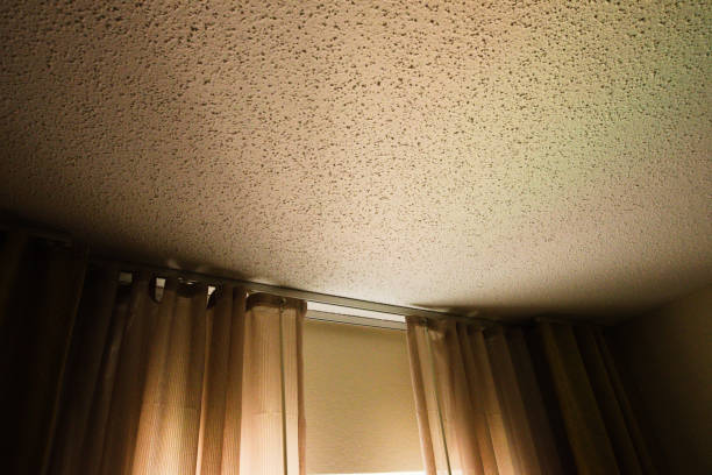
If you live in a home built before the 1990s, there’s a good chance you’ve looked up at a bumpy white surface and wondered—why did people ever like that? Known as the popcorn ceiling, this once-trendy texture was a quick, affordable way to mask imperfections and reduce noise.
But times have changed. Today’s homeowners often see popcorn ceilings as dated or even unsafe, sparking questions like “why is popcorn ceiling bad?” or “should I have mine removed?” Because these ceilings are common in older properties, it is also a good idea to have a roofing company check the age and condition of your roof, as structural upgrades often go hand-in-hand with interior modernization.
✔ Popcorn ceilings were popular for hiding flaws and reducing noise but are now seen as outdated. ✔ Homes built before 1980 may have popcorn ceilings containing asbestos, so testing is essential. ✔ Painting or removing a popcorn ceiling is best handled by professional paint companies near me. ✔ Modern alternatives like textured or stucco ceilings offer cleaner looks and easier upkeep. ✔ Removing or refinishing a popcorn ceiling can brighten rooms and boost home value. |
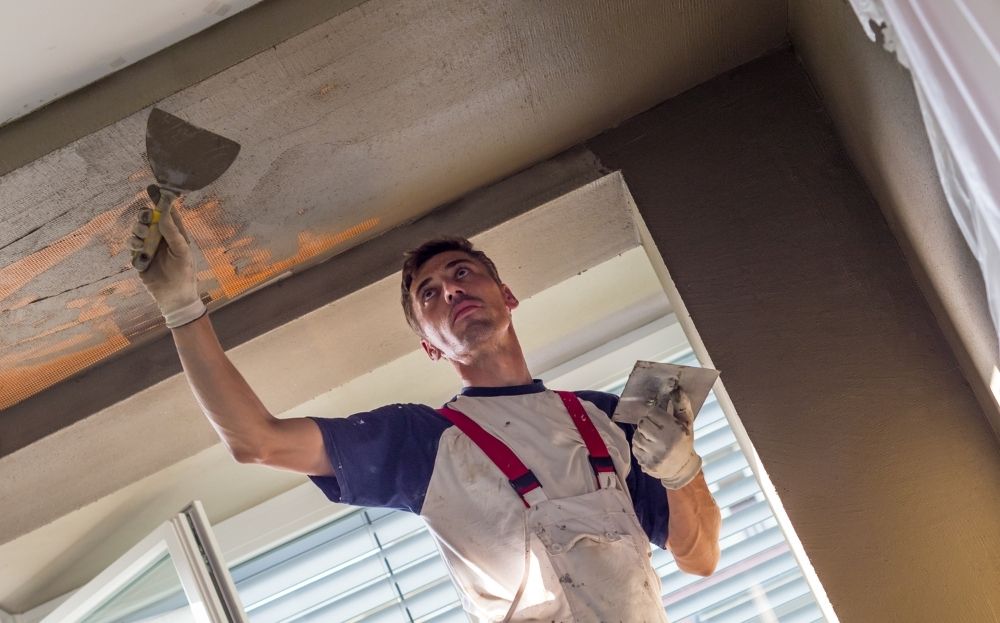
If you’ve ever wondered, “what is popcorn ceiling?”—it’s a spray-on or paint-on ceiling finish made from a mix of drywall compound, Styrofoam, or vermiculite. It was cheap, fast, and effective at hiding flaws.
A stucco ceiling looks similar but is typically denser and hand-troweled, while a textured ceiling is a broader category that includes designs like knockdown or orange peel. In short, popcorn ceiling vs textured ceiling isn’t a direct comparison—it’s one type of texture among many.
A popcorn ceiling easily conceals drywall seams, nail pops, and uneven surfaces—especially helpful in older homes without the need for costly re-plastering.
Builders loved it for being quick, low-cost, and easy to spray, saving both labor and materials compared to smooth ceilings.
The bumpy texture softens echoes and absorbs sound, making popcorn ceilings ideal for multi-level homes and apartments.
Installation is fast—spray it on, let it dry, and you’re done. This simplicity made it a staple during mid-century housing booms.
Popcorn texture creates a consistent finish that hides small flaws and settling cracks across large ceiling areas.
Homes built before 1980 may have popcorn ceilings containing asbestos—a key reason many ask, “why is popcorn ceiling bad?” Always test before scraping or sanding.
Once trendy, popcorn ceilings now make spaces feel dated and can hurt resale value.
The texture traps dust and cobwebs, and cleaning it often causes flakes or uneven spots.
Matching the original texture after patching is nearly impossible, and DIY fixes tend to stand out. The same issue applies to a popcorn wall, which traps dust and is nearly impossible to wipe clean without damaging the texture.
Popcorn surfaces absorb light, making rooms darker. A fresh coat of paint can help, but painting a popcorn ceiling isn’t easy without professional help.
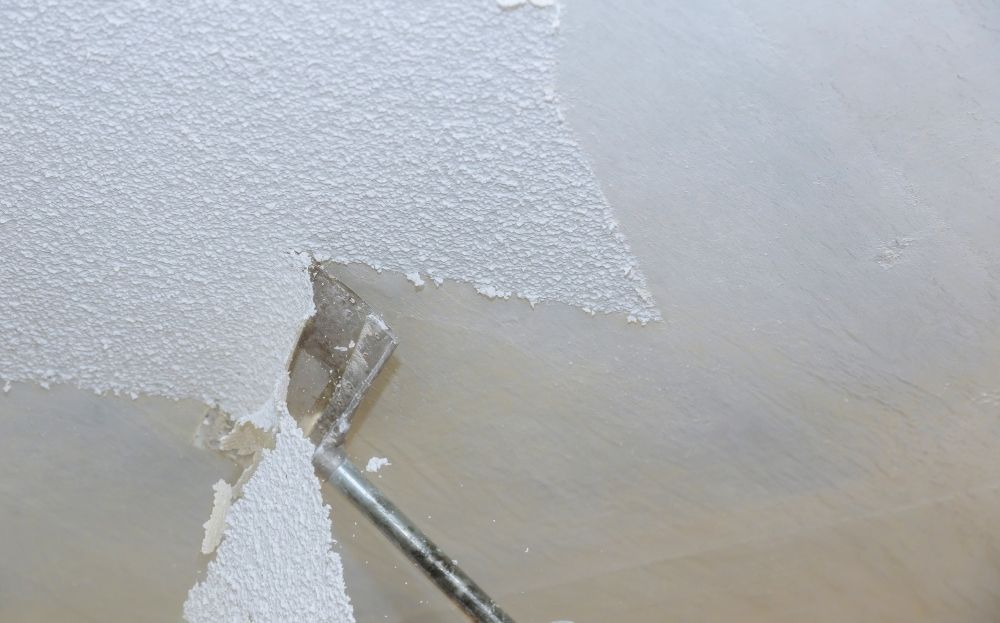
Homeowners often ask this exact question: “is popcorn ceiling bad?” The short answer—it depends.
If it’s asbestos-free and in good condition, it’s not necessarily “bad.” But there are solid reasons why many professionals recommend replacing it.
There are three main reasons why popcorn ceiling is bad for modern homes:
These factors make many homeowners rethink whether keeping a popcorn ceiling is worth it. Many homeowners today compare popcorn ceiling vs textured ceiling styles when deciding how to update their spaces.
In most cases—yes. Removing a popcorn ceiling gives your home a cleaner, brighter, and more modern look. It can also improve resale value and lighting quality.
However, removal can be messy, especially if asbestos is involved. A professional painter can advise whether removal, skim coating, or repainting is the better route.
When weighing popcorn ceiling vs textured ceiling, most homeowners find textured finishes more appealing and easier to maintain.
Modern design trends favor smoother, cleaner finishes. Popular replacements include:
Some homeowners also remove a popcorn wall along with the ceiling for a smoother, more consistent look throughout the room.
Absolutely. Never scrape or sand a popcorn ceiling until it’s been tested for asbestos. The U.S. Environmental Protection Agency (EPA) states there is no safe level of asbestos exposure; even short-term exposure can contribute to risk.
At Avon Professional House Painter, we always recommend testing through certified labs before beginning removal or painting. Safety should always come first.
If you’re on a budget, there are still good options:
Popcorn ceilings might look like a simple project, but they can quickly become complicated. Call a professional if:
Yes, but it needs care. Use a sprayer or specialized roller, or hire paint companies near me for smooth, even results.
Usually one to three days, depending on the room size and condition.
A stucco ceiling is denser and hand-troweled, while a popcorn ceiling is sprayed on and softer.
Yes, but use gentle spraying or soft rollers to avoid damaging the texture.
Often, yes. Textured ceilings look more modern and are easier to clean and maintain than popcorn ceilings.
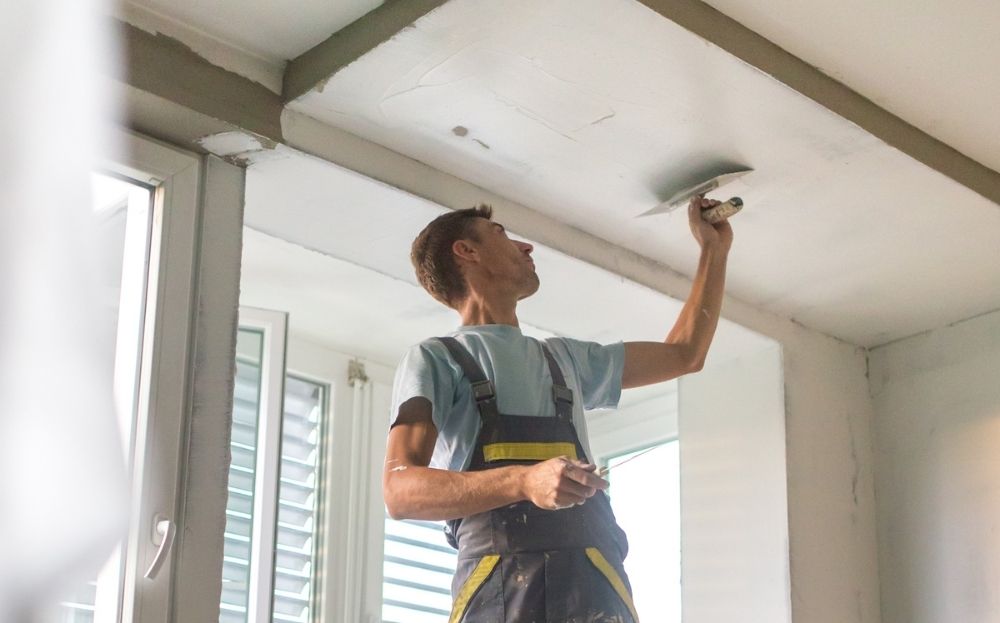
Whether you’re wondering “is popcorn ceiling bad?” or simply tired of the old texture, there’s no better time to refresh your space.
Avon Professional House Painter helps homeowners remove or refinish popcorn ceilings safely and beautifully.
Call today for your free estimate and discover why Avon, CT, residents trust us for smooth ceilings and stunning finishes that make every room feel brand new.